




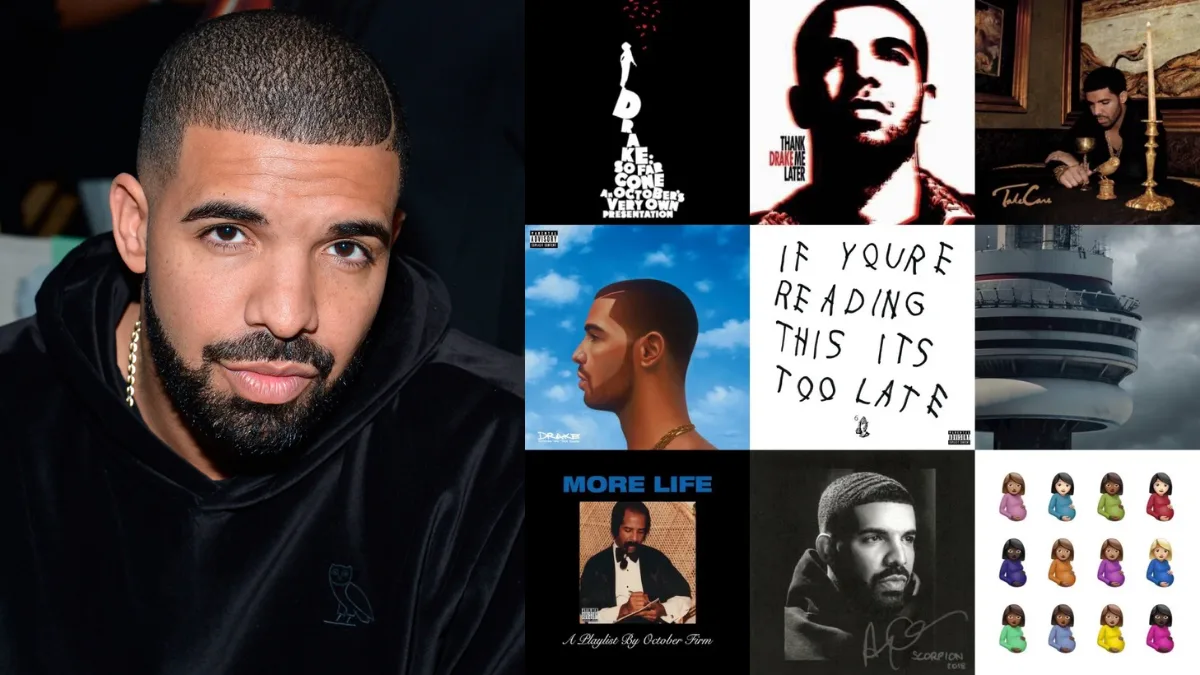
A young boy staring up at the clouds. A CN Tower silhouette against a Toronto sky. A grid of pregnant-woman emojis that broke the internet for a week. Few artists have used album art to signal a new chapter quite like Drake.
Across more than a decade of studio albums, Drake’s cover art has swung between deeply personal photography and outright conceptual provocation. Here’s a full rundown of his discography, cover by cover.
Table of Contents
Thank Me Later (2010)
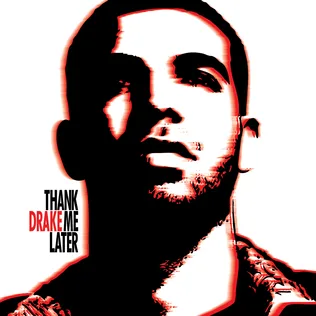
Drake’s debut studio album arrived with a stripped-down cover: a black-and-white portrait of Drake standing behind a piano, dressed in a plain white shirt, with the album title rendered in simple typography above him.
The muted, almost solemn tone matched the title’s meaning. As Drake explained around the album’s release, he named the project “Thank Me Later” because he felt he’d eventually be thanked for the work, once people caught up to what he was building.
Take Care (2011)

For his second album, Drake sat for a moody, dimly lit portrait: seated at a table, head resting against his hand, wearing a dark blazer. The image leaned into the introspective, late-night tone that would come to define the record.
Drake later said the title reflected a shift in approach compared to his rushed debut: “I get to take my time this go-round,” he explained, describing a more deliberate creative process the second time around.
Nothing Was the Same (2013)
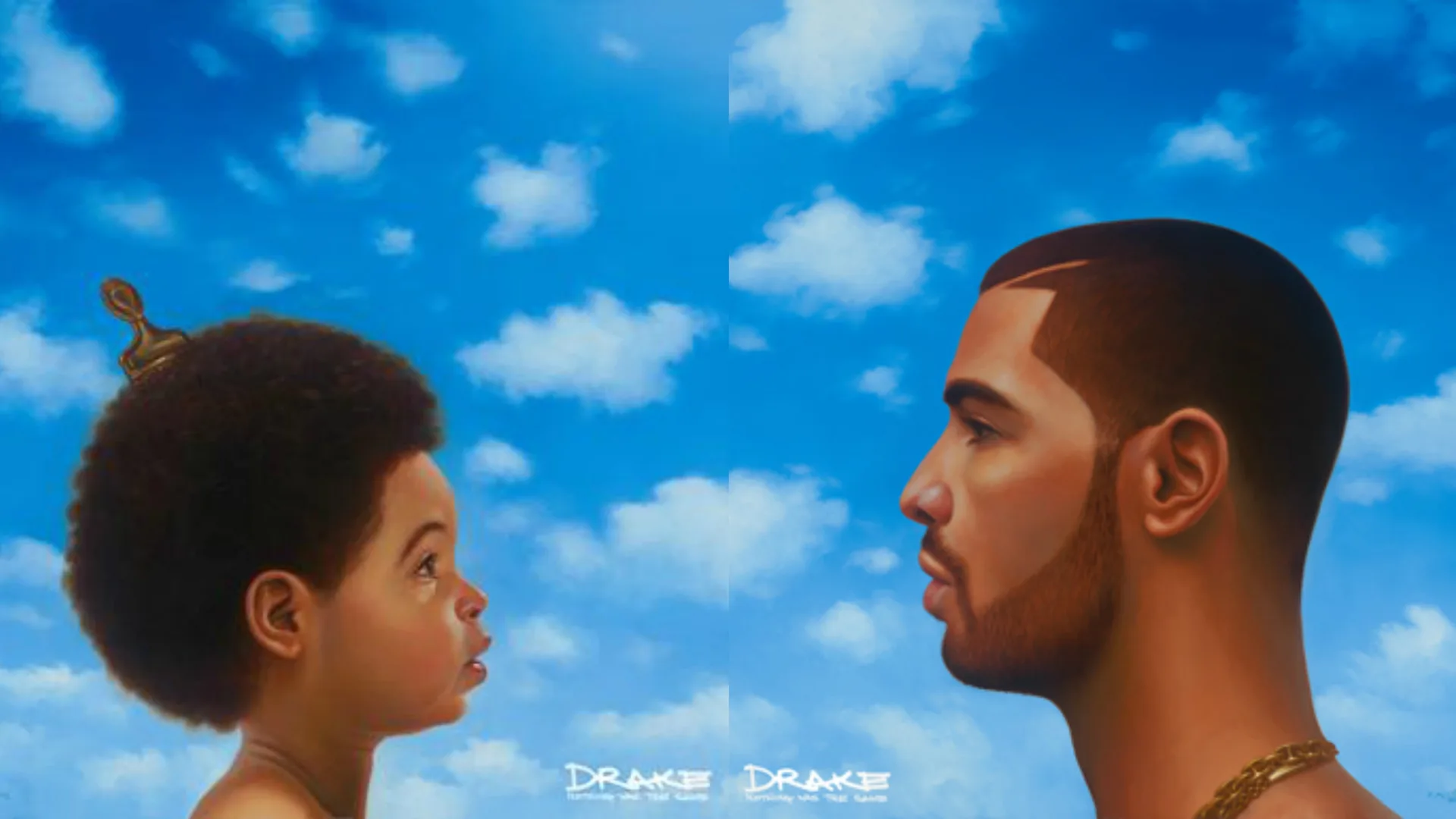
This is arguably Drake’s most conceptually rich cover. The standard edition shows a young boy gazing up into cloud-covered skies, rendered in a hazy, dreamlike style. The deluxe edition mirrors that same boy, now grown into the adult Drake, looking back at his younger self.
The visual metaphor, past meeting present, became one of the most discussed pieces of album art in his catalog, tying directly into the record’s themes of growth and reflection.
Views (2016)
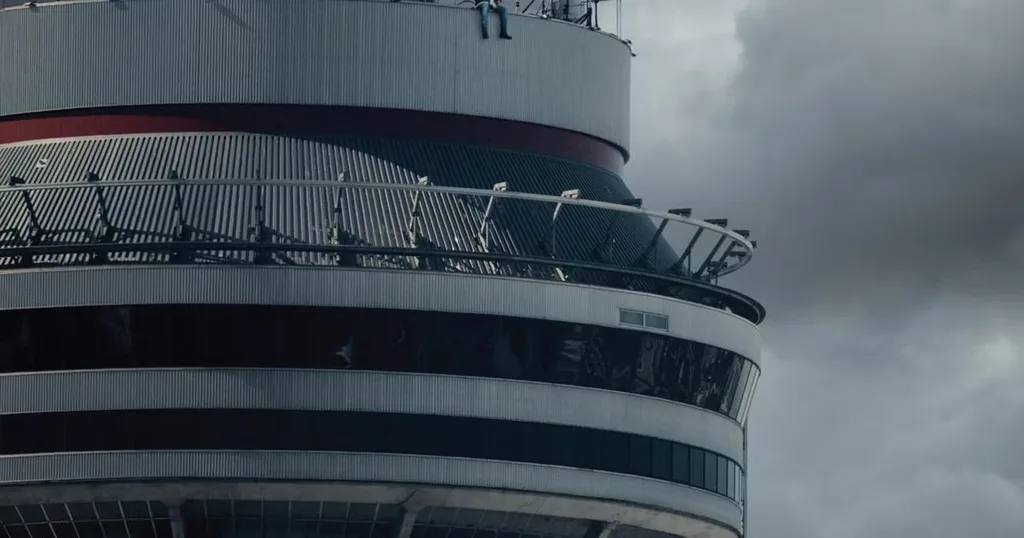
Drake shifted from portraiture to something closer to a postcard: a photo of himself sitting atop Toronto’s CN Tower, one of the city’s most recognizable landmarks, with the skyline stretched out beneath him.
It doubled as both album art and a statement of hometown pride, cementing “the 6” (Drake’s nickname for Toronto) as a recurring motif throughout the rest of his career.
Scorpion (2018)
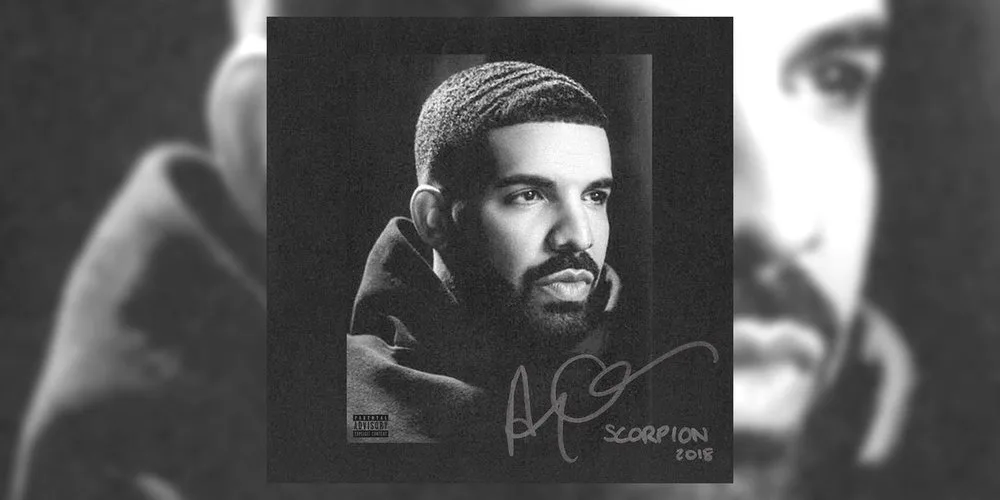
After years of increasingly personal covers, Scorpion pulled back almost entirely: a plain black background with a small, formal photo of Drake inset near the center, dressed in a suit. For an album stacked with 25 tracks, the artwork went in the opposite direction, quiet, minimal, and restrained.
Certified Lover Boy (2021)
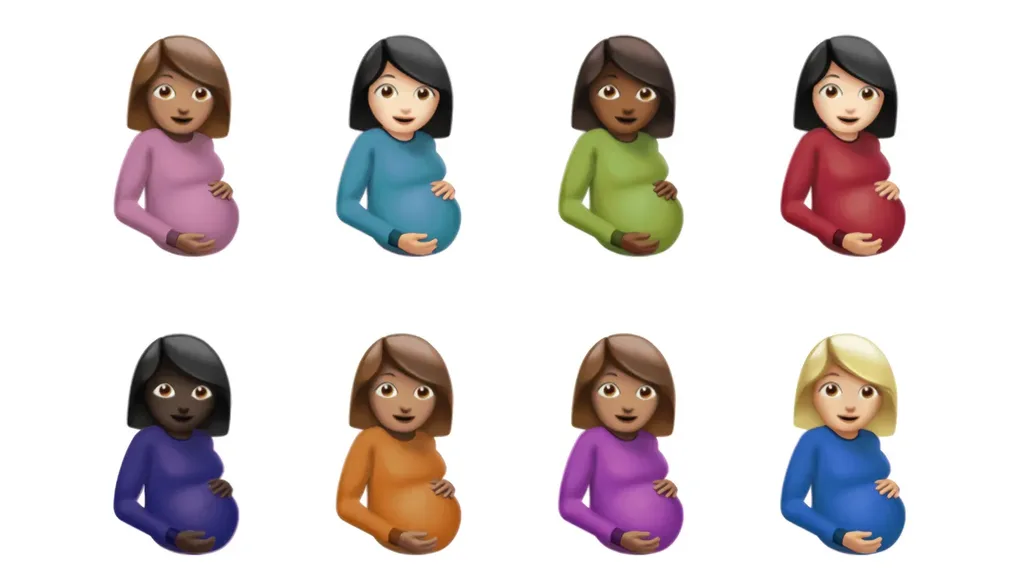
No Drake album cover generated more conversation than this one. Rather than a photo, the art featured a grid of emoji-style pregnant women in different skin tones, a design created by British artist Damien Hirst. The cover split fans and critics almost instantly, becoming one of the most memed pieces of album art in recent hip-hop history regardless of how listeners felt about the music itself.
Honestly, Nevermind (2022)
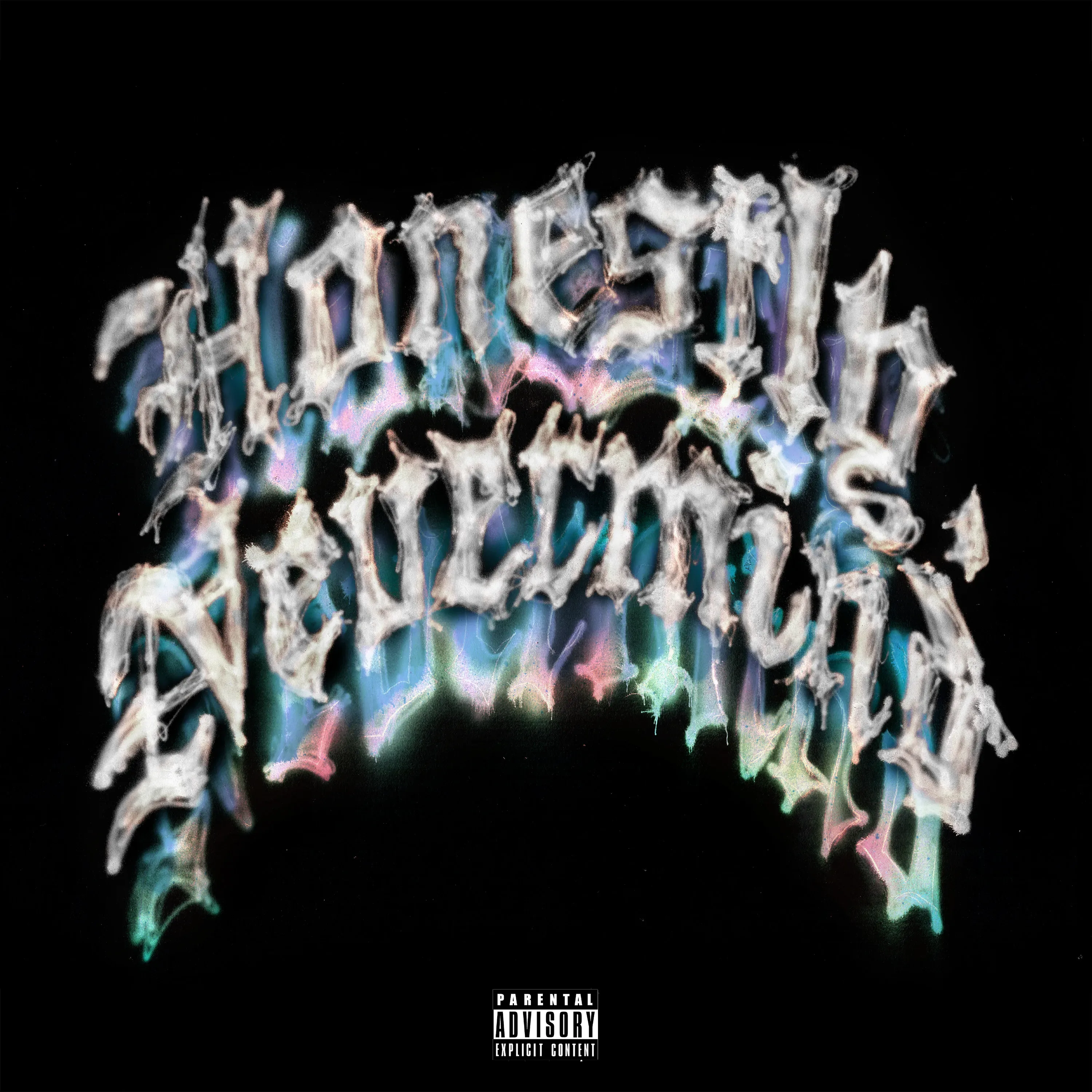
A tighter, more intimate approach followed: a close, unfiltered portrait of Drake, shirtless, set against a plain backdrop. After the maximalist rollout of Certified Lover Boy, the stripped-back image mirrored the album’s more dance-leaning, understated sonic pivot.
For All the Dogs (2023)
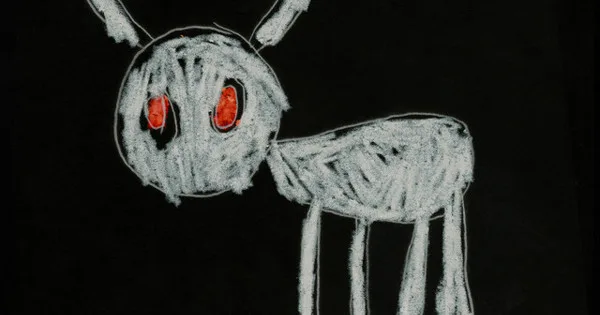
Drake handed over creative control for this cover to his son, Adonis, whose child-like illustration became the official artwork. The hand-drawn, sketchbook style stood in sharp contrast to nearly everything else in his catalog, and doubled as a rare, deeply personal touch tied directly to his family life.
Iceman, Maid of Honour, and Habibti (2026)
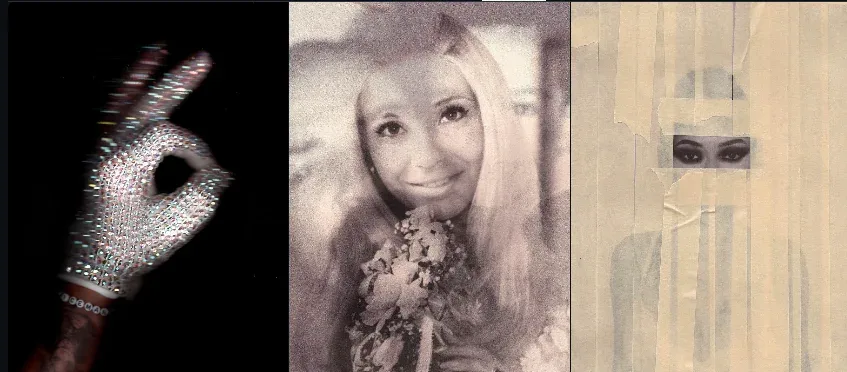
In May 2026, Drake released three studio albums simultaneously: Iceman, Maid of Honour, and Habibti, marking his first solo full-lengths since For All the Dogs. The rollout leaned heavily on a multi-episode livestream campaign built around the “Iceman” branding, culminating in a release that gave Drake his fifteenth US number-one album, tying Taylor Swift for the most chart-topping albums by a solo artist.
Iceman also carried real cultural weight beyond the numbers: multiple tracks off the album fueled speculation about renewed tension between Drake and Kendrick Lamar, a storyline that has continued to shape how each new Drake rollout gets read by fans and critics alike.
Why Drake’s Covers Keep Sparking Conversation
Very few artists have used album art as consistently as a storytelling device as Drake has. Whether it’s a childhood photo, a city skyline, or a deliberately provocative art piece, each cover tends to function as a preview of the album’s emotional register before a single track plays.
That pattern shows no sign of slowing down. With Drake’s chart dominance still very much intact heading into 2026’s award season, and speculation about his next moves a constant topic of conversation, whatever cover accompanies his next project will almost certainly get dissected just as closely as the music itself.