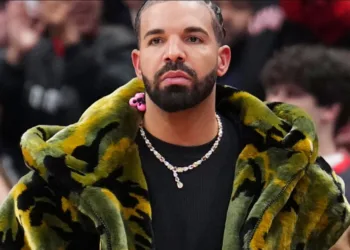





A Michigan federal court has put an end to one of the most bizarre and high-profile lawsuits filed against Young Money’s biggest superstars. U.S. District Judge Judith E. Levy, presiding over the Eastern District of Michigan, formally dismissed a RICO lawsuit brought against Drake, Lil Wayne, and Nicki Minaj, ruling that the allegations entirely lacked any factual or legal foundation.
The judicial ruling, issued on November 10 and initially reported by specialized outlets such as HotNewHipHop, clears all three artists—alongside other industry heavyweights named in the filing, including Birdman, Slim, Cash Money Records, and even the rock band Limp Bizkit—of any liability.
What Were Drake, Lil Wayne, and Nicki Minaj Accused Of?
The lawsuit was originally filed on September 28—and subsequently amended in early November—by a Warren, Michigan resident identified as Europe R. Colbert, who represented herself in court without legal counsel.
Across ten separate causes of action (including federal racketeering under the RICO Act, illegal wiretapping, and trademark infringement), Colbert claimed that surveillance devices had allegedly been planted inside her private residence. According to her filing, intimate details of her personal life were unlawfully intercepted and later incorporated into the defendants’ song lyrics, prompting her to demand financial damages and public retractions.
The Procedural Blunder That Sunk the Michigan Court Filing
While conducting the mandatory preliminary screening required when a plaintiff seeks to litigate without paying standard federal court filing fees, Judge Judith E. Levy was unequivocal in her assessment:
“The Court concludes that Plaintiff’s complaint is frivolous because it lacks an arguable basis in law or fact,” the federal judge wrote in her official dismissal order.
Beyond pointing out that there was zero evidence suggesting the artists ever conducted surveillance or wiretapping, the court uncovered a fatal evidentiary omission: Colbert repeatedly referenced an “Exhibit A” in her complaint that supposedly listed the exact musical recordings infringing on her rights, yet the document was never attached to the court docket.
Judge Levy ruled that granting leave for another amendment would be futile and denied Colbert permission to appeal the dismissal without paying full appellate filing fees upfront.
A Legal Breather Amid a Turbulent Year for Hip-Hop Litigation
With this dismissal, Drake, Lil Wayne, and Nicki Minaj put behind a legal headache that failed to clear even the earliest procedural hurdle. The ruling arrives at a time when U.S. courtrooms remain under intense scrutiny from hip-hop culture due to high-stakes cases—ranging from defamation battles to severe criminal convictions, such as the recent verdict that left Yella Beezy facing strict prison conditions after receiving life without parole in Texas.
Meanwhile, Cash Money Records notches its second consecutive courtroom victory in a matter of weeks, following a Georgia judge’s decision to remove Birdman and the label from a separate civil lawsuit tied to the 2015 shooting of Lil Wayne’s tour bus.
To explore how federal courts handle unconventional lawsuits targeting major rap icons and review the legal history of Young Money and Cash Money Records, check out the video reports below