





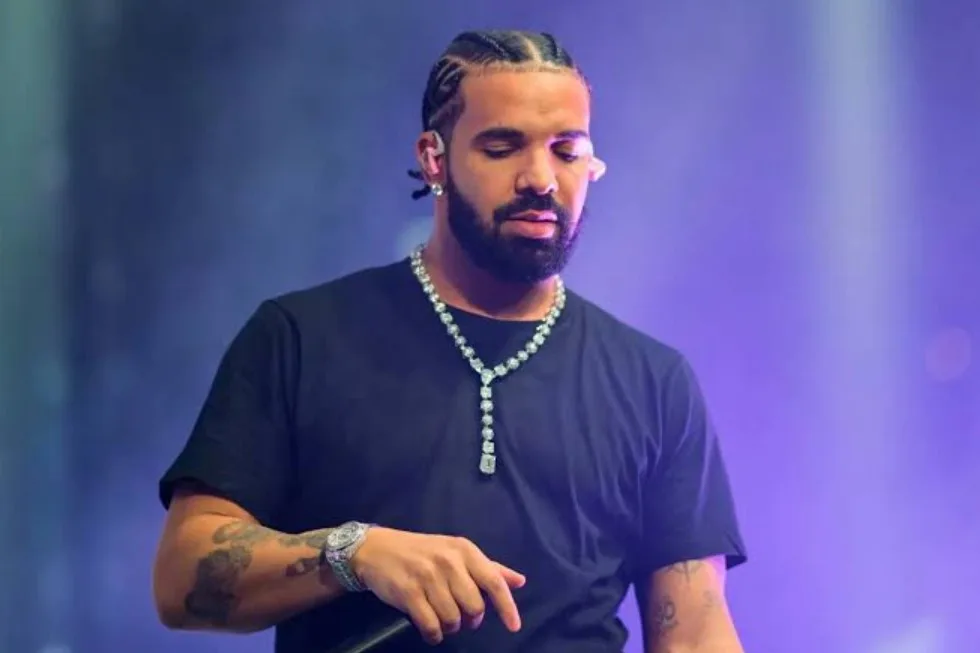
The reaction from Drake regarding the music industry’s new measurement policies has once again shaken the entire digital streaming ecosystem. The OVO Sound leader, globally recognized for dominating top-tier charts, held nothing back against executive decisions that altered how music plays and streams are calculated across platforms. The recent official confirmation that YouTube video views will once again count toward official Billboard charts starting in 2027 has sparked a media storm, headlined by the Canadian rapper’s direct and scathing criticism.
Via a story posted on his verified Instagram account, Drizzy reposted the announcement regarding the chart policy shift and made his frustration clear with a concise yet viral response: “wtf this game so cooked” (“what the hell, this industry is completely ruined”).
The Massive Scandal in Numbers: The 413,000 Units Drake Lost
The Toronto star’s outrage goes far beyond a passing comment; it stems from a significant mathematical loss with immense economic and commercial weight. According to detailed industry analyses provided by outlets like Akademiks TV, Billboard’s decision to remove YouTube view data throughout 2026 directly and disproportionately damaged his recent commercial rollout numbers, including the market performance surrounding his ICEMAN .
Industry data analysts estimate the sheer scale of the financial and cultural impact endured by the Drake:
- Massive Sales Loss: It is formally estimated that Drake lost approximately 413,000 equivalent album units in the U.S. market alone simply because his estimated YouTube streams were excluded from official rankings during this period.
- The Contrast with 2027 Rules: Had those massive streams been converted and weighed under the newly agreed 2027 parameters, the rapper would have significantly boosted his record-breaking chart achievements..
Why Is YouTube Returning to Billboard and How Do the Rules Change?
To understand the full extent of the artist’s frustration, it is essential to look at the underlying technical dispute. In early 2026, the world’s largest video platform voluntarily pulled its data from Billboard’s tracking system. This decision resulted from deep discrepancies in chart-weighting formulas, which heavily favored paid monthly subscriptions over free, ad-supported video streams.
Following months of negotiations, the newly struck agreement adjusts the competitive gap to create a fairer landscape for creators:
- Newly Agreed Ratio: The threshold drops significantly to 1,500 YouTube streams per album unit (down from the 2,500 required prior to the split).
- Official Launch Date: Video metrics will officially resume counting toward the Billboard 200 and Hot 100 rankings starting in 2027.
- Key Beneficiaries: This structural update will heavily benefit urban acts and creators with massive, dedicated YouTube fanbases, such as YoungBoy Never Broke Again and Kodak Black.
Impact on Chart Credibility and Urban Culture
Drake‘s public outcry brings back a long-standing debate on how administrative choices made by major charting entities directly impact artists’ commercial performance and legacy. While record labels celebrate the return of video streams, artists who bore the brunt of these regulatory gaps over the past year continue to call for greater transparency in chart methodologies.
This is far from the first time the OVO headliner has taken a stand against corporate industry mechanics. To explore how other hip-hop titans navigate major corporate tension or legal battles surrounding sampling and digital rights, read our breakdown on the Kanye West lawsuit over an unauthorized Vultures sample.
Similarly, the ongoing race for chart supremacy and cross-platform collaborations between rap and interactive digital spaces continue to shape global music consumption. To see how other icons leverage digital worlds to connect with younger audiences, check out our coverage on Lil Uzi Vert’s arrival in Fortnite.
With this major recalibration in Billboard‘s tracking system, the music industry enters a crucial transitional phase where video streaming will once again hold decisive strategic value.